Hydrocarbon Production
Recent advancements in crude oil and natural gas extraction are increasingly focused on sustainability and reducing environmental harm. This includes Decarbonization and Electrification of the production process, Elimination of Flaring and Clean Energy Initiatives like producing blue and green hydrogen to meet future energy needs.
Hydrocarbon production is broadly classified into Conventional and Unconventional methods, depending on the type of reservoir and extraction techniques involved.
Conventional Hydrocarbon Production
• Reservoirs: Found in porous and permeable rock formations like sandstone or limestone, where oil and gas can flow freely.
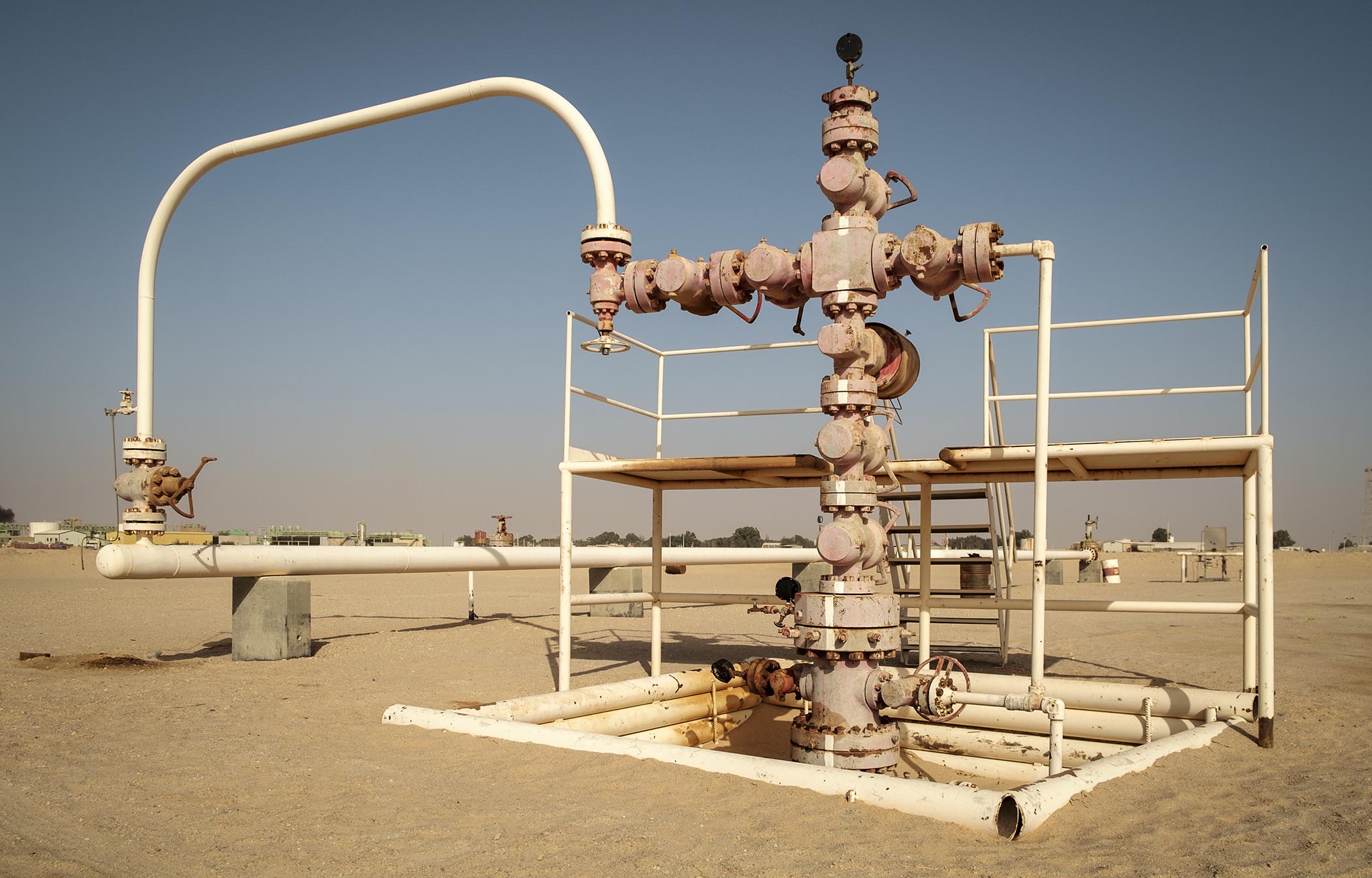
• Extraction: Involves traditional drilling methods. Once the well is drilled, hydrocarbons naturally flow to the surface or can be pumped.
Unconventional Hydrocarbon Production
• Reservoirs: Found in rock formations with low permeability, such as shale, tight sands, coal seams, or oil sands, where hydrocarbons are trapped and cannot flow easily.
• Extraction: Requires advanced techniques like hydraulic fracturing ("fracking"), horizontal drilling, or steam-assisted gravity drainage (SAGD).
Unconventional production has become increasingly important due to the depletion of easily accessible conventional reserves. However, it often comes with higher costs and environmental concerns.
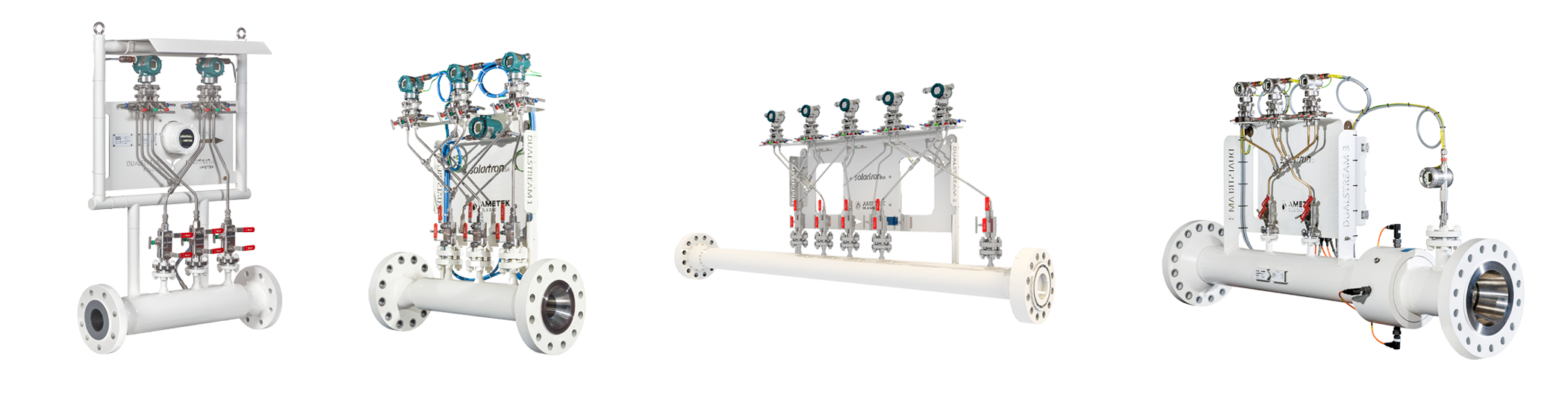
A Game-Changer for Value Driven Production Data on Every Well
Explore our Dualstream product line. Click here