Why is it important…
This may be quickly explained by a quote from Dick Ghiselin, Offshore Magazine, 7th October 2013; “In deepwater areas, the cost of well intervention is a formidable barrier. A single intervention can cost many millions of dollars, and in many cases, the result is uncertain. There are no guarantees.”
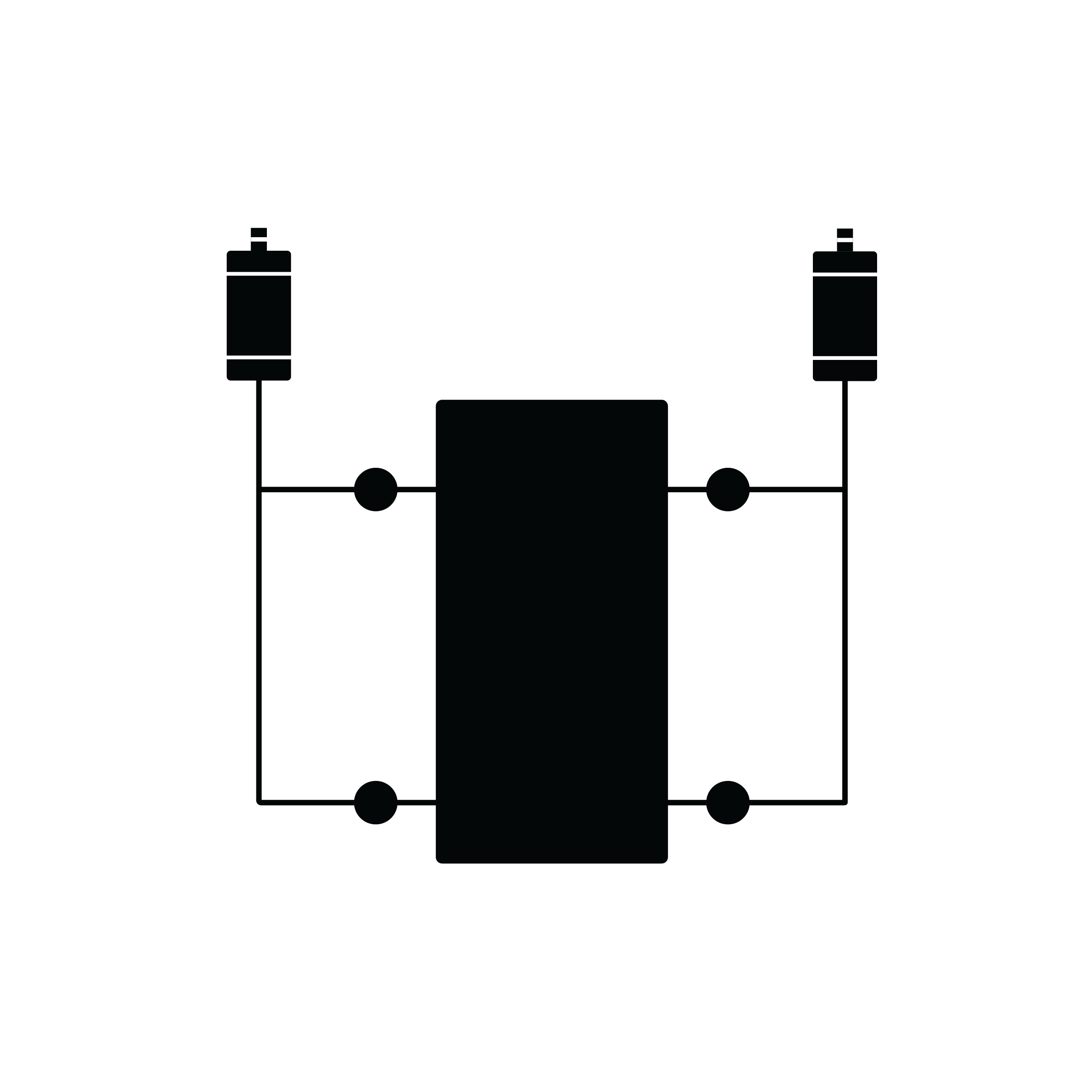
Solartron’s subsea flowmeters are engineered with full redundancy across instrumentation, communications, and flow computing systems. For pressure measurements, they also incorporate redundant pressure tappings. This design features comply fully with the requirements outlined in Section 4.3.6 of the API 17F 2023 Edition and to quote API “The purpose of redundancy in subsea control systems is to ensure high technical availability of the subsea production or processing system”.
For our multiphase wet gas meters this includes redundant differential pressure, line pressure and temperature measurement. It is common for a true redundant system to also have redundant flow computer capability in the topside control room. Systems can be wired to single or dual connectors depending on the customers cabling philosophy.
How does Solartron remove such uncertainties as referenced by Ghiselin?
Complex flowmeters often have to have retrievability designed into the system, however, the simplified nature of Solartron ISA’s equipment negates the requirement for ensuring the system is retrievable. Solartron ISA’s approach is to have minimal electronics subsea, avoid the use of nuclear sources and ensure redundancy in all sensor measurement, thus reducing the risk of failed subsea equipment.
Others with retrievable approach: local electronics / often nuclear / risk of large costs and operational downtime.